
Sciatica After a Car Accident: Causes and Symptoms
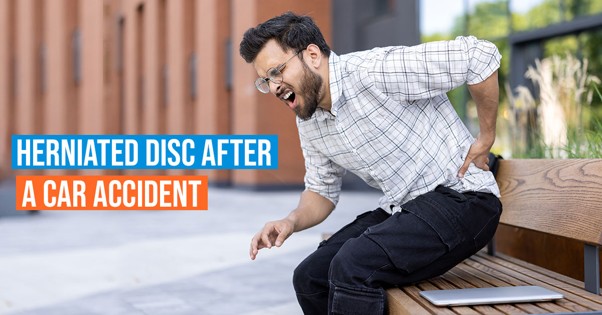
A herniated disc after a car accident is a serious injury that can happen when the spine absorbs the force of a collision. The discs in the spine act like cushions between the bones, helping the back and neck move smoothly.
During a crash, these discs can become damaged, causing pain, numbness, or weakness. Some people notice symptoms immediately, while others may not feel them until days later. Knowing how a herniated disc happens can help people recognize the signs and understand when medical care is needed.
How a Car Accident Can Damage a Disc
A car accident can place a large amount of pressure on the spine in just a few seconds. Even if the body is held in place by a seat belt, the spine can twist, bend, or compress during the impact. This force may cause a disc to tear or bulge.
An accident-related disc injury can happen after:
- Rear-end collisions
- Side-impact crashes
- Head-on collisions
- Multi-vehicle accidents
- Sudden stops
The amount of damage to the vehicle does not always show how serious the injury may be. Even a low-speed accident can cause damage to a spinal disc.
What Happens When a Disc Is Injured?
A spinal disc has a soft center surrounded by a stronger outer layer. During a crash, the outer layer may weaken or tear. When this happens, the soft center can push outward and place pressure on nearby nerves.
Many people call this a slipped disc after a crash, even though the disc does not actually slip out of place. It is simply another name that is often used to describe a herniated disc.
Do you Know ?
A slipped or herniated disc after a car crash can be evaluated and managed with conservative care at clinics like Pacific Chiropractic & Wellness Center in Portland, Oregon.
A damaged disc can affect the neck or the lower back, depending on where the force of the accident was greatest.
Common Symptoms of a Herniated Disc
Symptoms can be different for each person. Some people only have mild pain, while others have pain that spreads into the arms or legs.
Common signs of spinal disc damage include:
- Neck or back pain
- Pain that travels into an arm or leg
- Tingling or a pins-and-needles feeling
- Numbness
- Muscle weakness
- Pain that becomes worse while sitting, bending, or lifting
These symptoms may appear slowly as swelling develops around the injured disc.
Why Symptoms May Take Time to Develop
One of the most common questions after a car accident is why the pain did not start right away. After a collision, the body releases stress hormones, including adrenaline. These hormones can temporarily reduce pain, making an injury harder to notice. As they wear off, swelling increases around the damaged disc and nearby nerves.
Many people report:
- More pain the next morning
- Stiffness after getting out of bed
- Tingling that starts a day or two later
- Pain that spreads into the shoulder, arm, hip, or leg
Delayed symptoms are common after a car accident and should not be ignored.
When to Seek Medical Care
Some disc injuries improve with proper treatment, while others need closer medical attention. Pain that continues to get worse or affects daily activities should always be evaluated.
Seek medical care if there is:
- Severe back or neck pain
- Weakness in the arms or legs
- Trouble walking
- Loss of balance
- Numbness that continues to spread
Early evaluation can help identify the injury and reduce the risk of long-term problems.
Get Checked After a Car Accident
A herniated disc after a car accident may not heal on its own, especially if a nerve is involved. Finding the cause of the pain early can help guide the right treatment and support a better recovery.
If symptoms of an accident-related disc injury, slipped disc after crash, or spinal disc damage continue after a collision, Pacific Chiropractic & Wellness Center provides comprehensive evaluations for auto accident injuries and personalized treatment plans designed to help patients recover safely and restore comfortable movement.
References
- Mayo Clinic – Herniated Disk: Symptoms and Causes
- Cleveland Clinic – Herniated Disk
- National Institutes of Health (NIH)
Disclaimer: This article is for educational purposes only and is not a substitute for professional medical advice, diagnosis, or treatment. Anyone experiencing severe or lasting pain after a car accident should seek evaluation from a qualified healthcare provider.