If you are living with a slipped disc or other related back pain in Portland OR, it’s important to find the most effective chiropractic care possible. A diagnosis of this type could be causing your chronic aches and pains, so make sure you are getting assistance that will provide relief fast!
Whether your pain is mild or severe, it’s paramount to address it as soon as possible so that the problem does not progress and cause irreversible damage. The following article discusses some of the symptoms that commonly accompany disc injuries. Hopefully, you will better understand what you’re suffering from, as well as how chiropractic care can give immediate relief from any discomfort caused by this condition without causing further complications down the line.
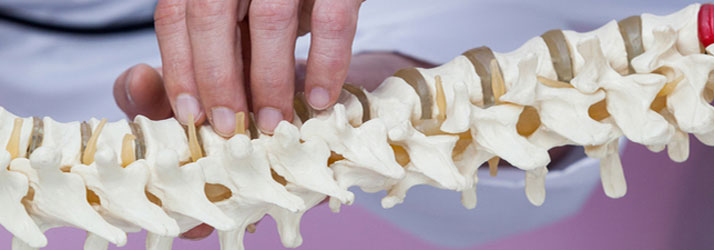
Everybody has pads between each vertebra in their spine called intervertebral discs. Without these tough yet flexible discs to act as shock absorbers between each vertebra you would literally be unable to move around at all – especially when bending over or carrying heavy objects! Here are just some different kinds of disc injuries that can happen:
A disc injury is a serious issue that can result in a number of troubling symptoms, like pain in the back, a numb sensation, difficulty moving, and irritation of nerve roots in the spinal column. It can also cause:
At Pacific Chiropractic & Wellness Center we have a track record of giving immediate pain relief and long-lasting recovery. Caring for disc injuries is no different. Chiropractic adjustments for disc injuries involve a thorough assessment that includes x-rays, as well as an examination by your medical team to determine what type of injury you may be suffering from, the extent of the damage, and the best-individualized plan for you.
Our team at Pacific Chiropractic & Wellness Center in Portland OR is ready to help you with any back pain and injuries. We use a personalized approach that includes adjustments for disc injury recovery, as well as moderate techniques on the spine until our patient feels relief from their discomfort! If it has been a while since your last visit, be sure to call us today so we can get you started down the path toward better health.

| Mon - Thu: | 9.00 am - 6.00 pm |
| Friday: | 9.00 am - 4.00 pm |
| Sat -Sun: | Closed |
17221 SE Division St Portland, OR 97236
Are you new to our office? Take advantage of our Special Offer!
New Patient Special OfferA disc injury can range from mild to very serious, depending on how much damage has occurred in the spinal discs. The discs act as soft cushions between the bones of the spine, and when they are injured, they can bulge, tear, or herniate. Mild cases may only cause stiffness and localized back pain, while more serious cases can press on nearby nerves and cause pain that travels into the arms or legs. This may also lead to numbness, tingling, or weakness.
In difficult situations, movement can become difficult, and daily activities may be affected. If nerve compression is present, symptoms can worsen over time. Because of this wide range, early evaluation is important to prevent long-term complications and guide proper treatment and recovery.
The healing time for a disc injury depends on the severity of the damage and the body’s natural recovery process. Mild disc strains or small bulges may improve within a few weeks with rest, posture correction, and proper care. Moderate injuries can take several weeks to a few months to heal as inflammation slowly reduces and tissues recover.
More serious herniated discs may take several months or longer, especially if nerves are involved. Healing also depends on lifestyle factors like activity level, posture, and treatment approach. In many cases, symptoms improve before the disc is fully healed, as inflammation decreases first. Proper care, guided movement, and avoiding strain are important to support recovery and prevent re-injury during the healing period.
Disc injuries refer to damage in the spinal discs, which are soft, cushion-like structures located between the bones of the spine. These discs act as shock absorbers and help the spine move smoothly. A disc injury can occur when the disc becomes bulged, slipped, or torn due to sudden impact, poor posture, aging, or heavy lifting.
When a disc is injured, it may press on nearby nerves, causing pain in the back, neck, arms, or legs. Common symptoms include stiffness, sharp pain, numbness, or tingling sensations. Some disc injuries develop slowly over time, while others happen suddenly after an accident. The severity can vary widely, and proper evaluation is important to understand the exact type of disc injury and the best way to manage symptoms and recovery.
A herniated disc can often improve significantly, but “100% healing” depends on the individual case and severity of the injury. In many people, the body naturally reduces the herniation over time as inflammation decreases and the disc material shrinks or stabilizes. This can lead to a major reduction or complete relief of symptoms such as pain, numbness, or weakness.
However, the disc itself may not always return to its exact original structure. Some people fully recover function and live without pain, while others may have occasional mild symptoms. Healing also depends on posture, activity level, and treatment approach. With proper care and time, many individuals experience long-term improvement and return to normal activities without surgery or ongoing discomfort in most cases.
We accept a variety of insurance plans to help make your care affordable and accessible.
Contact us if you have any questions about your coverage.




