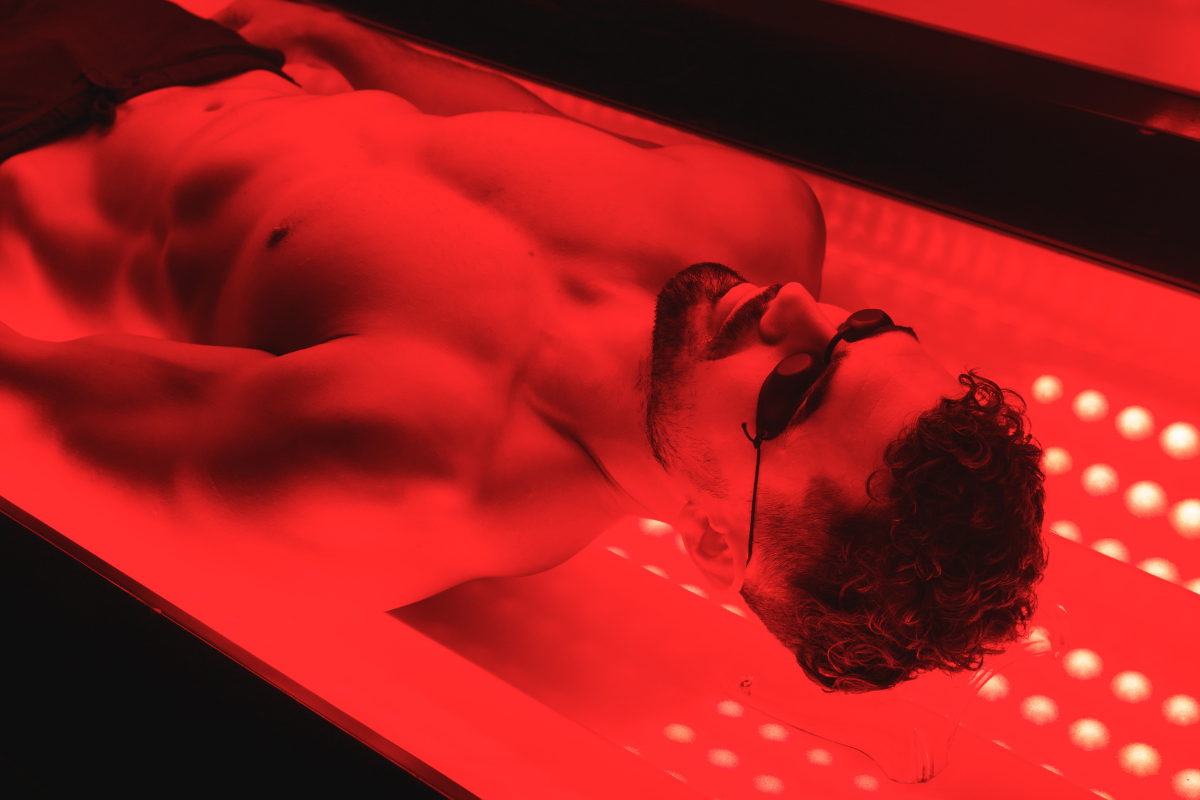
In recent years, there has been a surge of interest in alternative therapies for various health conditions, and one that has gained considerable attention is Infrared therapy in Portland OR. Also known as low-level laser therapy (LLLT) or photobiomodulation (PBM), red light therapy involves exposing the body to low levels of red or near-infrared light. While it may sound like something out of a science fiction novel, the therapeutic potential of red light has been extensively studied and is increasingly being recognized by medical professionals. Let’s delve into the fascinating world of red light therapy, exploring its mechanisms, benefits, and applications.
Red light therapy operates on the principle of photobiomodulation, which involves using specific wavelengths of light to stimulate cellular function. Unlike ultraviolet (UV) light, which can be harmful in high doses, red and near-infrared light have longer wavelengths and lower energy levels, making them safe for therapeutic use. These wavelengths penetrate the skin and are absorbed by cells, where they trigger various biological responses.
The precise mechanisms by which red light therapy exerts its therapeutic effects are not fully understood, but researchers have proposed several theories. One prominent hypothesis is that red and near-infrared light stimulate the mitochondria, the powerhouse of the cell, to produce more adenosine triphosphate (ATP), the molecule that provides energy for cellular processes. This increased ATP production can enhance cellular metabolism and promote tissue repair and regeneration.
Additionally, red light therapy has been shown to modulate inflammation and oxidative stress, two processes that play crucial roles in many chronic diseases and conditions. By reducing inflammation and oxidative damage, red light therapy may help alleviate symptoms and promote healing in various tissues throughout the body.
The potential benefits of red light therapy are diverse and far-reaching, encompassing both physical and mental health. While research is ongoing, preliminary studies and anecdotal evidence suggest that red light therapy may offer the following advantages:
Physical Benefits:
Accelerated wound healing: Red light therapy has been shown to promote the healing of wounds, cuts, and surgical incisions by enhancing cellular repair mechanisms.
Mental Health Benefits:
Red light therapy can be administered in various settings, including clinics, spas, and even in the comfort of your own home with the use of specialized devices. Some common applications of red light therapy include:
While red light therapy is generally considered safe when administered correctly, there are some precautions to keep in mind:
Red light therapy in Portland OR represents a promising avenue for promoting health and wellness across various domains. From accelerating wound healing and reducing pain to improving skin health and enhancing mood, the potential benefits of red light therapy are vast and increasingly supported by scientific research. As our understanding of its mechanisms and applications continues to evolve, red light therapy may become an integral component of holistic healthcare approaches aimed at optimizing physical and mental well-being. However, it’s essential to approach red light therapy with caution, ensuring proper safety measures are in place and seeking guidance from healthcare professionals when needed. With its non-invasive nature and minimal side effects, red light therapy offers a beacon of hope for those seeking natural and effective solutions to improve their quality of life. Contact Pacific Chiropractic & Wellness Center Portland today for more information or to get yourself set up with an appointment.

| Mon - Thu: | 9.00 am - 6.00 pm |
| Friday: | 9.00 am - 4.00 pm |
| Sat -Sun: | Closed |
17221 SE Division St Portland, OR 97236
Are you new to our office? Take advantage of our Special Offer!
New Patient Special OfferInfrared therapy is used to support pain relief, muscle recovery, and overall tissue healing. It works by using infrared light that gently penetrates deeper into the skin compared to regular heat. This helps improve blood circulation in the treated area, which can reduce stiffness and promote faster recovery.
Many people use infrared therapy for back pain, joint discomfort, muscle soreness, and sports injuries. It is also commonly used to help relax tight muscles and reduce inflammation in the body. Some people find it helpful for stress relief because the warmth can have a calming effect. Infrared therapy is non-invasive and does not involve medication, making it a natural support option for people looking to manage pain and improve mobility over time.
Infrared therapy is generally considered safe, but it may have some disadvantages for certain people. One possible issue is skin sensitivity, as some individuals may experience mild redness or irritation after treatment. Overuse or very long sessions may cause discomfort or overheating in the treated area. It may not be suitable for people with certain medical conditions, such as severe circulatory problems or skin disorders, without medical guidance.
Another limitation is that results are not immediate for everyone, and multiple sessions are often needed to notice improvement. Infrared therapy also does not treat the root cause of all pain conditions, especially structural issues, so it is usually part of a broader care plan. Consulting a healthcare professional helps ensure it is used safely and appropriately.
Yes, red light therapy is believed to support mitochondrial health by stimulating cellular energy production. Mitochondria are often called the “powerhouses” of the cells because they produce energy that the body needs to function and heal. Red light therapy works by exposing tissues to specific wavelengths of light, which may help improve how efficiently mitochondria produce energy. This can support tissue repair, reduce inflammation, and improve recovery in muscles and skin.
Some studies suggest it may help cells function more effectively under stress, although research is still ongoing. While it is not a cure for disease, red light therapy is often used as a supportive treatment to enhance natural healing processes and improve overall cellular performance in the body.
Ten minutes of red light therapy can be enough for some people, depending on the device used, the treatment area, and the condition being treated. Many devices are designed for short sessions because the light works at a cellular level and does not require long exposure to be effective. However, the ideal duration can vary. Some treatments may recommend 10 to 20 minutes per session, while others may suggest slightly longer or more frequent use for better results.
Consistency is often more important than session length. Regular use over time tends to provide better benefits than a single long session. It is also important to follow the manufacturer’s guidelines or professional advice to avoid overuse and ensure safe, effective results tailored to individual needs.
We accept a variety of insurance plans to help make your care affordable and accessible.
Contact us if you have any questions about your coverage.




