
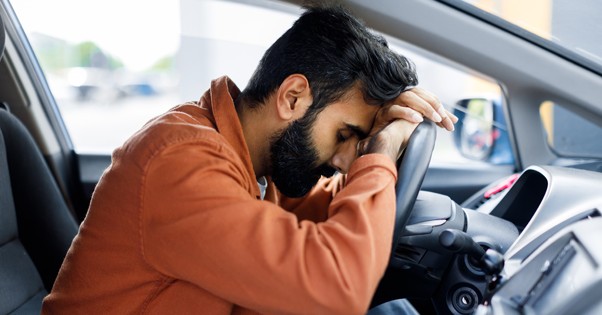
Headache After a Car Accident: Causes, Delayed Symptoms & Care
A headache after car accident injuries may not always appear right away. Many people feel normal immediately after a crash and notice pain later the same day or even several days afterward. This happens because the body may take time to respond to the stress and injuries caused by the accident.
A collision can place sudden force on the head, neck, muscles, joints, and nerves. Even without a direct hit to the head, the quick movement during an accident may lead to injuries that cause headaches. Understanding why headaches days later happen can help people recognize symptoms and know when to seek professional care.
Why Headaches Can Develop After an Accident
During a car accident, the body experiences a sudden change in movement. The seatbelt may stop the body, but the head and neck can continue moving forward, backward, or sideways. This movement can strain the muscles, ligaments, joints, and soft tissues that support the neck and head.
The neck plays an important role in supporting the weight of the head. When the neck is affected by an accident, pain and tension may travel upward and contribute to headaches.
The amount of damage to a vehicle does not always show how serious an injury may be. Even a minor accident can cause symptoms that appear later.
Common Causes of Delayed Headaches
Several injuries may contribute to delayed headache symptoms after a car accident.
Whiplash and Neck Injuries
Whiplash is one of the most common injuries after a collision. It happens when the head moves quickly forward and backward, causing stress on the muscles and tissues in the neck.
This sudden movement may lead to:
- Neck stiffness
- Head pain
- Shoulder discomfort
- Limited neck movement
In some cases, whiplash symptoms do not appear immediately. Pain may become noticeable hours or days after the accident.
Muscle Tension and Soft Tissue Injuries
The muscles around the neck and shoulders help support movement and posture. A crash can overstretch these muscles, causing tightness and soreness. When muscles remain tense after an accident, they may contribute to pressure or aching pain in the head. This type of discomfort may become more noticeable during daily activities.
Concussion-Related Headaches
A post-accident migraine or headache may occur after a concussion or mild head injury. A concussion can happen when the brain is affected by sudden movement during an accident.
Some people may experience:
- Headaches
- Dizziness
- Trouble focusing
- Sensitivity to light or sound
- Fatigue
Symptoms can appear right away or develop later, which is why monitoring changes after an accident is important.
Why Symptoms May Appear Later
Many people wonder why they did not feel pain immediately after a crash. After an accident, the body releases stress hormones that can temporarily reduce the feeling of pain.
As the body returns to normal, inflammation and muscle tension may increase, making symptoms easier to notice.
A person may later experience:
- Headaches the next day
- Increasing soreness
- Neck stiffness
- Difficulty with normal movement
Delayed symptoms do not always mean an injury is minor. Some injuries naturally take time to become noticeable.
When to Seek Care for Headaches
A headache that continues after an accident should not be ignored. Professional evaluation may be needed if headaches become worse, interfere with daily activities, or occur with symptoms such as confusion, weakness, numbness, or vision changes.
Pacific Chiropractic & Wellness Center provides evaluations and personalized chiropractic care for individuals experiencing accident-related injuries. A proper assessment can help identify possible sources of discomfort and support a recovery plan based on individual needs.
Conclusion
A headache after a car accident injury can appear immediately or days after a collision. Understanding delayed headache symptoms, recognizing headaches days later, and being aware of signs linked to a post-accident migraine can help individuals take the right steps toward recovery. Seeking professional guidance when symptoms continue can help address the cause of discomfort.
Medical Reference
Medical information about accident-related headaches, neck injuries, concussion symptoms, and warning signs discussed in this article is based on educational resources from trusted medical organizations, including Mayo Clinic, Cleveland Clinic, WebMD, and Healthline.
Disclaimer
The information provided in this article is for educational purposes only and is not intended to replace professional medical advice, diagnosis, or treatment. Symptoms after a car accident can vary from person to person. Anyone experiencing severe, worsening, or ongoing headaches should seek evaluation from a qualified healthcare professional.